Getting a job in Nigeria today can feel frustrating, especially for young graduates and beginners with little or no experience. Many people apply for jobs daily without getting responses, while others struggle to know where real opportunities even exist.
The truth is that the Nigerian job market has become more competitive, but opportunities still exist for people who know how to position themselves properly.
This guide explains practical and realistic steps that can help you improve your chances of getting employed in Nigeria.

Understand the Nigerian Job Market
One important thing many job seekers forget is that employers are looking for people who can solve problems.
Companies want candidates who can:
- Add value
- Learn quickly
- Communicate well
- Use digital tools
- Work with teams
- Handle responsibilities
This means having only a certificate may no longer be enough in many industries.
Steps On How to Get a Job in Nigeria
Step 1: Identify the Type of Job You Want
Before applying everywhere, take time to decide:
- What field interests you?
- What skills do you have?
- What type of work do you enjoy?
- What industries are growing?
Some growing industries in Nigeria include:
- Technology
- Digital marketing
- Customer service
- Finance
- Logistics
- E-commerce
- Media and content creation
Having direction makes your job search more effective.
Step 2: Learn Valuable Skills
One major reason many people struggle to get jobs is lack of practical skills.
Today, employers prefer candidates who already know how to do useful tasks.
Some valuable skills include:
- Digital marketing
- Web development
- Data analysis
- Graphics design
- Social media management
- Video editing
- Cybersecurity
- UI/UX design
Practical skills make you stand out from other applicants.
Step 3: Create a Professional CV
Your CV is usually the first thing employers see.
A good CV should be:
- Clear and simple
- Free from spelling mistakes
- Well-organized
- Focused on skills and achievements
Avoid adding unnecessary information.
Instead, highlight:
- Relevant experience
- Certifications
- Skills
- Volunteer work
- Projects
A clean CV improves your chances of getting interview invitations.

Step 4: Build an Online Presence
Many employers now check online profiles before hiring.
You should create a professional presence on platforms like:
- GitHub (for developers)
- Behance (for designers)
A strong online profile can attract opportunities directly.
Step 5: Search for Jobs in the Right Places
If you want to know how to find jobs in Nigeria, you need to search strategically.
Good places to look include:
- Company websites
- LinkedIn jobs
- Job boards
- Recruitment agencies
- Networking events
- Social media communities
Many people only rely on one platform, which limits opportunities.
Step 6: Apply Smartly, Not Randomly
Some job seekers apply for hundreds of jobs without reading descriptions properly.
Instead:
- Customize your CV for each job
- Write proper cover letters
- Match your skills to the role
- Follow application instructions carefully
Quality applications are better than random applications.
Step 7: Improve Your Communication Skills
Communication matters during interviews and workplace interactions.
You should practice:
- Speaking confidently
- Writing professionally
- Answering questions clearly
- Listening carefully
Strong communication can sometimes make the difference between getting hired or rejected.
Step 8: Gain Experience Any Way You Can
One common problem is lack of experience.
If you are a beginner:
- Volunteer
- Take internships
- Work on freelance projects
- Help small businesses
- Build personal projects
Experience helps employers trust your abilities.
Step 9: Prepare for Interviews
Interviews are very important.
Before attending an interview:
- Research the company
- Practice common interview questions
- Dress properly
- Arrive early
- Stay calm and confident
Confidence often grows from preparation.
Step 10: Network With People
Many opportunities come through relationships.
Networking means connecting with:
- Professionals
- Friends
- Colleagues
- Mentors
- Industry communities
Sometimes one recommendation can open doors faster than multiple applications.

Entry-Level Jobs Nigerians Can Start With
If you are looking for entry-level jobs for Nigerians, here are common beginner opportunities:
- Customer support
- Administrative assistant
- Sales representative
- Social media assistant
- Data entry officer
- Junior digital marketer
- Front desk officer
- Content creator
These roles can help you gain experience and grow professionally.
Job Opportunities in Abuja Nigeria
There are many growing sectors creating job opportunities in Abuja Nigeria.
Popular industries include:
- Government agencies
- NGOs
- Tech companies
- Educational institutions
- Healthcare organizations
- Real estate firms
- Digital businesses
Abuja continues to attract businesses and startups, creating employment opportunities.
Common Mistakes Job Seekers Make
Avoid these mistakes:
- Applying without reading job descriptions
- Using poorly written CVs
- Ignoring skill development
- Lack of confidence
- Depending only on connections
- Giving up too quickly
Consistency matters during job searching.
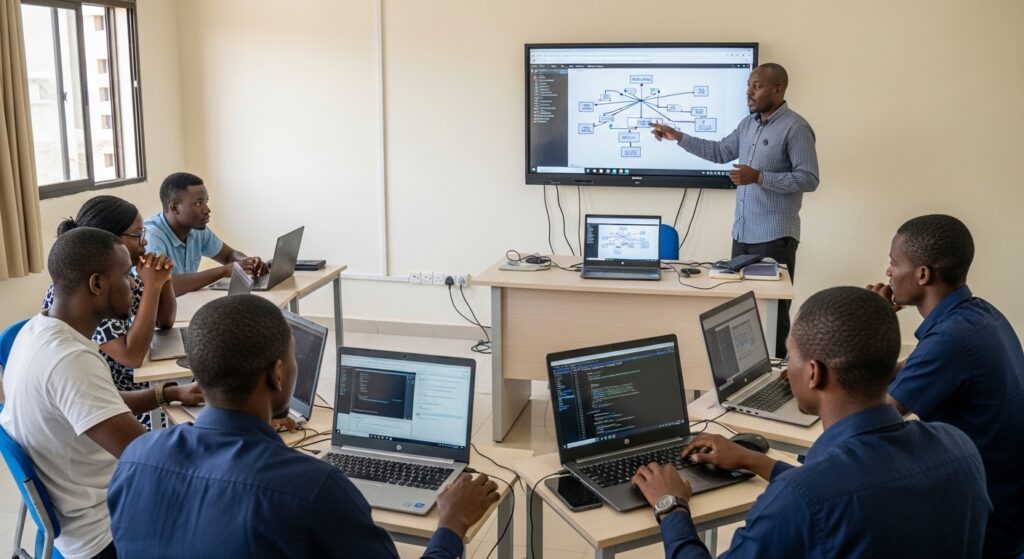
Why Digital Skills Increase Employment Chances
The world is becoming more digital.
Employers now value people who understand:
- Technology
- Online tools
- Digital communication
- Social media
- Data management
Digital skills increase both local and remote job opportunities.
Remote Work Opportunities for Nigerians
Remote work is also growing rapidly.
Nigerians now work remotely in areas like:
- Programming
- Virtual assistance
- Content writing
- Digital marketing
- Design
- Customer support
Remote jobs allow people to work for international companies from Nigeria.
Staying Motivated During Job Search
Job searching can sometimes feel discouraging.
You may face:
- Rejections
- Delayed responses
- Tough competition
But persistence matters.
Every application, interview, and skill you learn improves your chances over time.
Final Thoughts
Getting a job in Nigeria today requires more than just certificates. Employers are increasingly looking for people with practical skills, confidence, adaptability, and problem-solving abilities.
The good news is that opportunities still exist for people willing to learn, improve themselves, and stay consistent. Whether you want office jobs, remote work, or freelance opportunities, building valuable skills can increase your chances greatly.
These skills can be learnt at Bimarrow Technologies through both online and physical training programs.
Frequently Asked Questions (FAQ)
-
How can I get a job fast in Nigeria?
Learn practical skills, improve your CV, apply strategically, and network consistently.
-
What are the best ways to get employed in Nigeria?
Skill development, networking, internships, and online job applications are effective methods.
-
Are there entry-level jobs for Nigerians without experience?
Yes. Many companies hire beginners for junior and support roles.
-
Where can I find job opportunities in Abuja Nigeria?
You can find opportunities through LinkedIn, company websites, recruitment agencies, and networking events.
-
Do digital skills help in getting jobs?
Yes. Digital skills are highly demanded and improve employability significantly.