Self-confidence is one of the most important qualities a person can have. It affects how you speak, how you relate with people, how you perform in school or business, and how you handle challenges in life.
Many young people in Nigeria struggle with low self-confidence because of fear, comparison, criticism, financial pressure, or past failures. Some people avoid opportunities simply because they doubt themselves too much.
The truth is that confidence is not something people are born with naturally. It is something that can be developed gradually through practice, mindset, and experience.
This guide explains practical and realistic ways to build self-confidence and improve self-esteem in everyday life.

What Is Self-Confidence?
Self-confidence means believing in your abilities, decisions, and potential. It does not mean thinking you are perfect or better than others.
Confident people still make mistakes, but they trust themselves enough to keep moving forward.
Self-confidence helps people:
- Speak confidently
- Handle criticism better
- Take opportunities
- Build healthy relationships
- Perform better academically and professionally
Why Many Nigerians Struggle With Confidence
There are many reasons people experience self-doubt, including:
- Fear of failure
- Negative comments from others
- Financial struggles
- Social media comparison
- Poor academic performance
- Lack of support or encouragement
Low confidence can affect mental health, productivity, and personal growth.

Steps On How to Build Self-Confidence
Step 1: Stop Comparing Yourself to Others
One of the biggest confidence killers is comparison.
Social media often makes it look like everyone else is succeeding faster, making more money, or living a better life.
But the reality is:
- Everyone has struggles
- People grow at different speeds
- Success takes time
Focus on your own journey instead of competing with others constantly.
Step 2: Improve Your Skills
Confidence grows when competence grows.
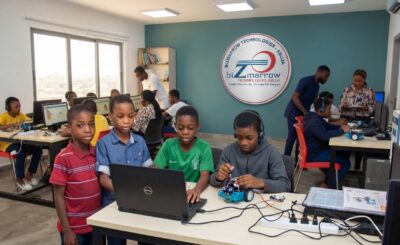
One of the best ways to build confidence is by learning valuable skills.
Examples include:
- Communication skills
- Coding
- Graphic design
- Digital marketing
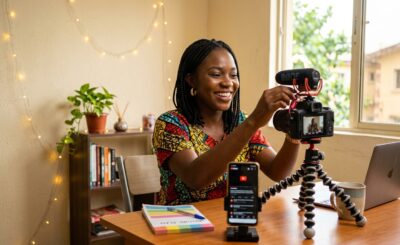
- Public speaking
- Video editing
The more skilled you become, the more confident you naturally feel.
Step 3: Speak Positively About Yourself
The way you talk to yourself matters.
Avoid constantly saying:
- “I can’t do it”
- “I’m not good enough”
- “People are better than me”
Instead, practice positive thinking and realistic encouragement.
Your mindset affects your confidence level.

Step 5: Dress Neatly and Take Care of Yourself
Your appearance can affect how you feel about yourself.
Simple habits like:
- Dressing neatly
- Maintaining hygiene
- Standing confidently
- Smiling more often
can improve self-esteem significantly.
Taking care of yourself sends a message that you value yourself.
Step 6: Face Your Fears Gradually
Confidence develops when you do things that scare you.
For example:
- Speaking in public
- Attending interviews
- Starting conversations
- Trying new opportunities
Avoiding fear only strengthens it. Facing it gradually helps you grow stronger.
Step 7: Learn From Failure Instead of Giving Up
Everyone fails sometimes.
Confident people understand that failure is part of growth.
Instead of seeing failure as the end:
- Learn from mistakes
- Improve your approach
- Keep trying
Many successful people failed several times before succeeding.
Step 8: Build Good Communication Skills
Good communication improves confidence naturally.
You can improve by:
- Speaking more often
- Reading regularly
- Practicing public speaking
- Listening carefully during conversations
The more comfortable you become expressing yourself, the more confident you feel.
Step 9: Stop Seeking Constant Validation
Many people depend too much on approval from others.
While encouragement is good, your self-worth should not depend entirely on:
- Likes on social media
- People’s opinions
- External praise
True confidence comes from within.
Step 10: Set Small Goals and Achieve Them
Big goals can sometimes feel overwhelming.
Instead:
- Start with small achievable goals
- Track your progress
- Celebrate improvements
Small wins build momentum and confidence over time.
Step 11: Surround Yourself With Positive People
The people around you can influence your confidence positively or negatively.
Spend more time with people who:
- Encourage growth
- Support your goals
- Speak positively
- Inspire you to improve
Avoid people who constantly discourage or belittle you.

Self-Confidence Tips for Young Nigerians
For young Nigerians trying to build confidence, practical habits include:
- Setting realistic goals
- Practicing communication daily
- Spending time with positive people
- Developing useful skills
- Avoiding toxic environments
Your environment influences your confidence level.
Best Ways to Boost Self-Confidence and Self-Esteem in Nigeria
Some of the best ways to boost self-confidence and self-esteem in Nigeria include:
- Learning valuable skills
- Improving communication
- Practicing self-care
- Setting realistic goals
- Staying consistent
- Developing positive habits
Confidence is built daily through small actions.

How to Stop Doubting Yourself and Build Confidence
If you want to understand how to stop doubting yourself and build confidence, remember this:
Confidence grows through action, not overthinking.
You become more confident by:
- Practicing consistently
- Taking opportunities
- Learning from experience
- Challenging yourself gradually
Waiting until you feel “perfect” usually delays progress.
Ways to Improve Self-Confidence as a Nigerian Student
Students searching for ways to improve self-confidence as a Nigerian student should focus on:
- Participating in class discussions
- Learning practical skills
- Avoiding unhealthy comparison
- Practicing communication skills
- Celebrating small achievements
Confidence improves gradually through action and experience.

Common Mistakes People Make
Many people struggle with confidence because they:
- Compare themselves constantly
- Fear mistakes excessively
- Depend on external validation
- Avoid challenges
- Speak negatively about themselves
Recognizing these habits is the first step toward change.
Benefits of Self-Confidence
Strong self-confidence can help you:
- Perform better academically
- Speak confidently in public
- Handle interviews effectively
- Build stronger relationships
- Pursue opportunities fearlessly
Confidence affects almost every area of life.
Final Thoughts
Building self-confidence takes time, patience, and consistency. Whether you are a student, entrepreneur, or young professional in Lagos, Abuja, or anywhere in Nigeria, believing in yourself can change how you approach opportunities and challenges.
You do not need to be perfect before becoming confident. Growth happens step by step.
Focus on learning, improving, and becoming better every day. Small progress can lead to major transformation over time.
Frequently Asked Questions (FAQ)
-
How can I build self-confidence in Nigeria?
Practice positive habits, improve your skills, and stop comparing yourself constantly to others.
-
Why do many young Nigerians struggle with confidence?
Because of fear, criticism, financial pressure, and social comparison.
-
Can confidence be learned?
Yes. Confidence is a skill that improves with practice and experience.
-
How can students improve self-confidence?
By participating actively, learning skills, improving communication, and setting small goals.
-
What is the fastest way to build confidence?
Taking action consistently, even when you feel nervous or unsure.