
The mini importation business has become one of the most popular ways people are making money in Nigeria today. Many young entrepreneurs in cities like Abuja, Lagos, and Port Harcourt are now importing cheap products from countries like China and reselling them for profit.
The beauty of this business is that you don’t need a huge amount of money to start. With the right knowledge and strategy, you can begin small and grow steadily.
This guide explains how to start mini importation business in Nigeria, step by step, even as a beginner.
What is Mini Importation Business?
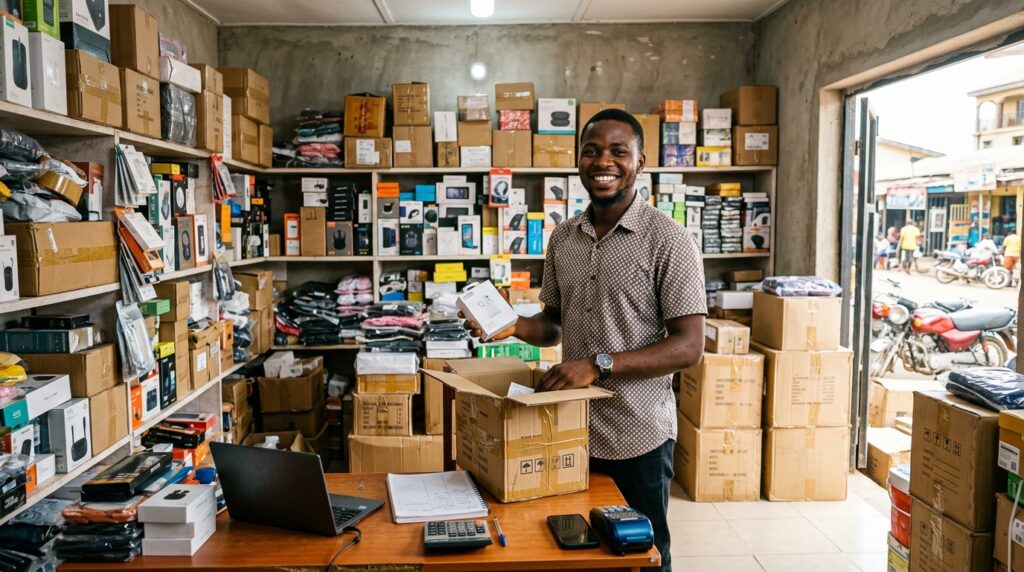
Mini importation is the process of buying small quantities of goods from international suppliers and selling them locally at a profit.
Instead of importing containers of goods like large companies, you import small items such as:
- Fashion accessories
- Phone gadgets
- Wristwatches
- Shoes and bags
- Beauty products
- Home accessories
You then resell them in Nigeria at a higher price.
Why Mini Importation is Popular in Nigeria
Mini importation business in Abuja Nigeria and other cities is growing fast because:
- It requires low startup capital
- It can be done online
- Products are cheap from suppliers abroad
- High profit margins are possible
- You don’t need a physical shop to start
Many people now run this business from home using social media platforms.
Steps On How to Start Mini Importation Business in Nigeria
Step 1: Choose a Profitable Product
The first step is selecting what to sell.
Successful mini importers focus on products that are:
- High in demand
- Lightweight and cheap to ship
- Easy to sell online
- Not easily available locally
Examples include:
- Phone accessories
- Smart gadgets
- Fashion items
- Beauty tools
- Fitness accessories
Choosing the right product is very important for success.
Step 2: Find Reliable Suppliers
Many Nigerians import products from China using online platforms such as:
- Alibaba
- AliExpress
- 1688
These platforms allow you to connect directly with manufacturers.
When choosing suppliers:
- Check reviews
- Compare prices
- Start with small orders
- Communicate clearly
How Nigerians do mini importation from China is mainly through these trusted online marketplaces.
Step 3: Learn How Shipping Works
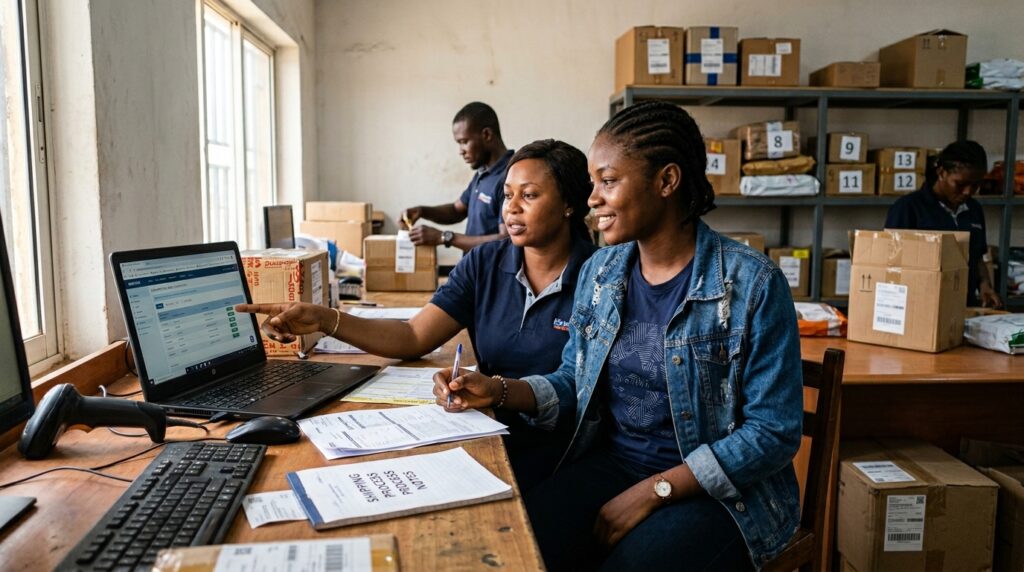
Shipping is an important part of mini importation.
There are two common methods:
Air Freight
- Faster delivery
- More expensive
- Suitable for small goods
Sea Freight
- Cheaper
- Slower delivery
- Suitable for bulk goods
Beginners usually start with air freight because it is simpler.
Step 4: Calculate Your Cost and Profit
Before importing, always calculate:
- Product cost
- Shipping cost
- Customs charges
- Local delivery cost
Then add your profit margin.
For example:
If a product costs ₦2,000 total, you can sell it for ₦4,000 or more depending on demand.
Step 5: Start Small
One mistake beginners make is trying to import too many products at once.
Start small:
- Order a few items first
- Test the market
- Learn customer demand
- Scale gradually
This reduces risk and helps you learn faster.

Step 6: Sell Your Products Online
You don’t need a shop to start selling.
You can use:
- Facebook Marketplace
- WhatsApp Business
- TikTok
- Jumia or Konga
Good product photos and clear descriptions help you attract buyers.
Step 7: Build Trust With Customers
Trust is very important in online business.
To build trust:
- Deliver products on time
- Be honest about prices
- Respond quickly to messages
- Provide quality products
Satisfied customers often bring referrals.
Step 8: Reinvest Your Profit
Instead of spending all your profit, reinvest it into your business.
You can:
- Buy more products
- Expand product range
- Improve advertising
- Upgrade packaging
Reinvestment helps your business grow faster.
Cheap Importation Business Ideas in Nigeria
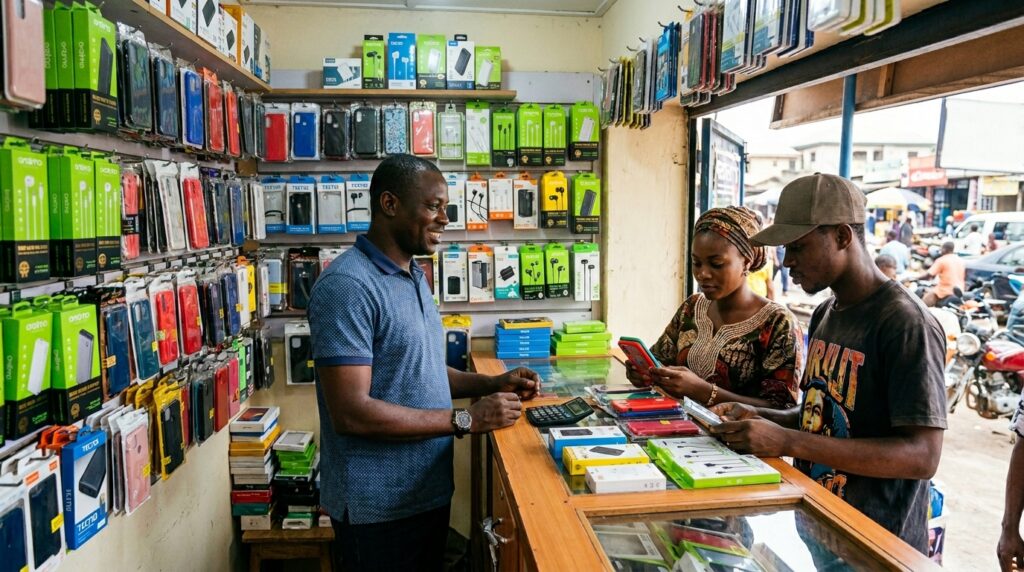
Some profitable mini importation products include:
- Phone chargers and cables
- Bluetooth gadgets
- Fashion jewelry
- Sunglasses
- Wristwatches
- Hair accessories
- Phone holders
These items are cheap to import but sell well locally.
How to Make Money From Mini Importation in Nigeria
You make money by:
- Buying products at low prices
- Selling them at higher prices locally
- Targeting high-demand items
- Reducing unnecessary costs
Profit depends on your product choice, marketing, and consistency.
Challenges in Mini Importation Business
Like any business, there are challenges:
- Delayed shipping
- Customs issues
- Fake suppliers
- Competition
- Price fluctuations
However, with experience, these challenges become easier to manage.
Tips for Success in Mini Importation Business
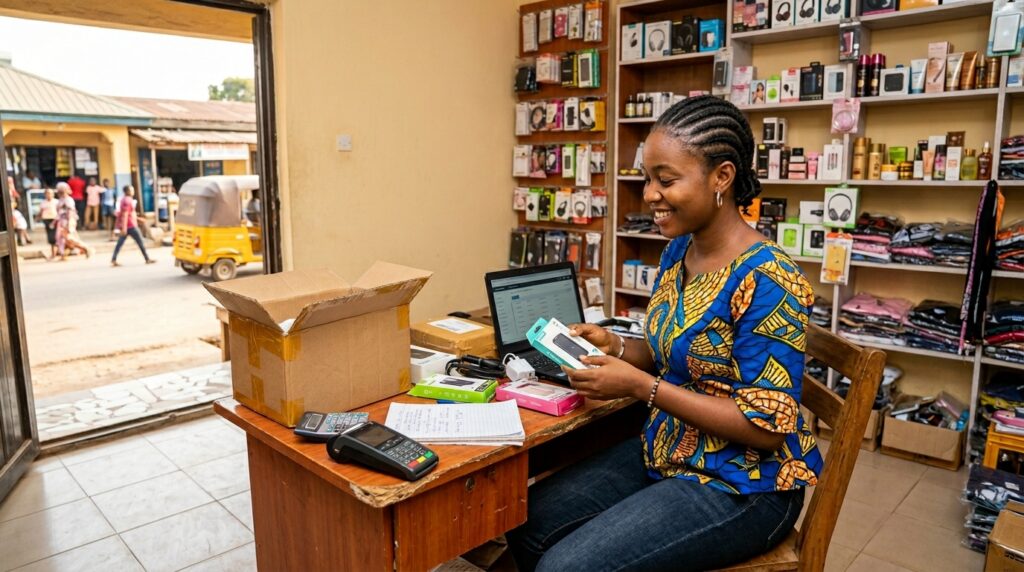
To succeed in mini importation:
1. Start Small
Test products before scaling.
2. Focus on Quality
Sell products customers will trust.
3. Learn Marketing
Good marketing increases sales.
4. Be Patient
Success takes time and consistency.
5. Stay Updated
Trends change, so stay informed.
Mini Importation Business in Abuja Nigeria
In Abuja and other cities, demand for imported goods is very high due to lifestyle trends and online shopping growth.
Successful sellers focus on:
- Social media marketing
- Fast delivery
- Customer service
- Trend-based products
With the right strategy, mini importation can become a strong source of income.
Final Thoughts
Mini importation is one of the easiest ways to start an online business in Nigeria with low capital. With the right knowledge, product selection, and marketing strategy, anyone can turn it into a profitable business.
The key is to start small, learn the process, and grow step by step..
Frequently Asked Questions (FAQ)
-
How much do I need to start mini importation in Nigeria?
You can start with as low as ₦20,000 to ₦50,000 depending on the product.
-
Is mini importation business profitable in Nigeria?
Yes, it is profitable if you choose the right products and manage costs well.
-
Where can I buy products for mini importation?
You can use platforms like Alibaba, AliExpress, and 1688.
-
Do I need a shop to start mini importation?
No. You can start online using social media platforms.
-
What is the biggest challenge in mini importation?
Shipping delays and choosing unreliable suppliers are common challenges.